
International Workshop
Copenhagen | September 3-4
Workshop ticket:
DKK 6.900
(incl. Danish VAT)
Rethinking Speech Sound Disorders in Children:
From Speech Motor Synergies to Treatment Efficiency
A two-day workshop with Dr. Aravind Namasivayam (University of Toronto)
and Dr. Anita McAllister (Karolinska Institutet, Stockholm)

Dr. Aravind Namasivayam
Ph.D., S-LP(C), Reg. CASLPO · University of Toronto
About Dr. Aravind Namasivayam
Dr. Aravind Namasivayam is an internationally recognized expert in speech motor control and pediatric speech disorders. He holds a clinical degree in Speech-Language Pathology and completed advanced doctoral and postdoctoral training in Neuroscience. He teaches speech physiology, research methods, and pediatric speech sound disorders at the University of Toronto.
He has led several government- and industry-funded randomized clinical trials, contributed to policy change, and helped shape evidence-based care pathways for children with speech disorders. He has authored 53 peer-reviewed articles and book chapters and delivered more than 100 presentations and workshops at international conferences.
His contributions have been recognized through the Editor's Award from the American Journal of Speech-Language Pathology, ASHA's Higher Education Mentoring Award, and the National Award for Excellence in Applied Research from Speech-Language & Audiology Canada. In 2018, he founded the Speech Research Centre Inc., dedicated to making evidence-informed practices accessible to clinicians worldwide. He is also co-founder of Hear2Speak.org, a non-profit improving speech-language pathology services in underserved regions.
A conversation about why this matters
Before you read the programme, hear it in their own words. Lea Dettmann, speech-language therapist and founder of Forlaget SPOR, sat down with Dr. Aravind Namasivayam to ask the question every clinician is asking: why rethink speech sound disorders now?
In five minutes, Aravind lays out the shift — from describing children's speech errors to finding their motor causes — and the trilogy of papers behind it. It's the clearest possible introduction to the two days ahead.
Workshop content
Children with speech sound disorders (SSDs) are often assessed and treated through primarily auditory-perceptual and phonological frameworks. While these approaches remain clinically useful, they may overlook the speech motor foundations that shape children's speech productions, including coordination among respiration, phonation, articulation, resonance, gestures, and speech motor synergies.
This two-day workshop invites clinicians to rethink pediatric SSD assessment and intervention through a speech motor and synergy-informed lens. Participants will examine the limitations of IPA transcription-based interpretations, review instrumental evidence suggesting that many perceived “phonological” errors may reflect underlying motor constraints, and explore how speech synergies develop, break down, and can be observed clinically.
The workshop then translates this knowledge into practical clinical decision-making by addressing risk factors and predictors of persistent SSD, eligibility and triage frameworks, treatment target selection, and principles of motor learning. Emphasis will be placed on optimizing dose, variability, feedback, challenge level, progression criteria, generalization, and rate of change. Efficient service-delivery models, including group intervention, parent-supported practice, and cost-conscious care, will also be discussed. Overall, this workshop aims to support a paradigm shift toward more precise, efficient, and developmentally grounded assessment and intervention for children with SSDs.
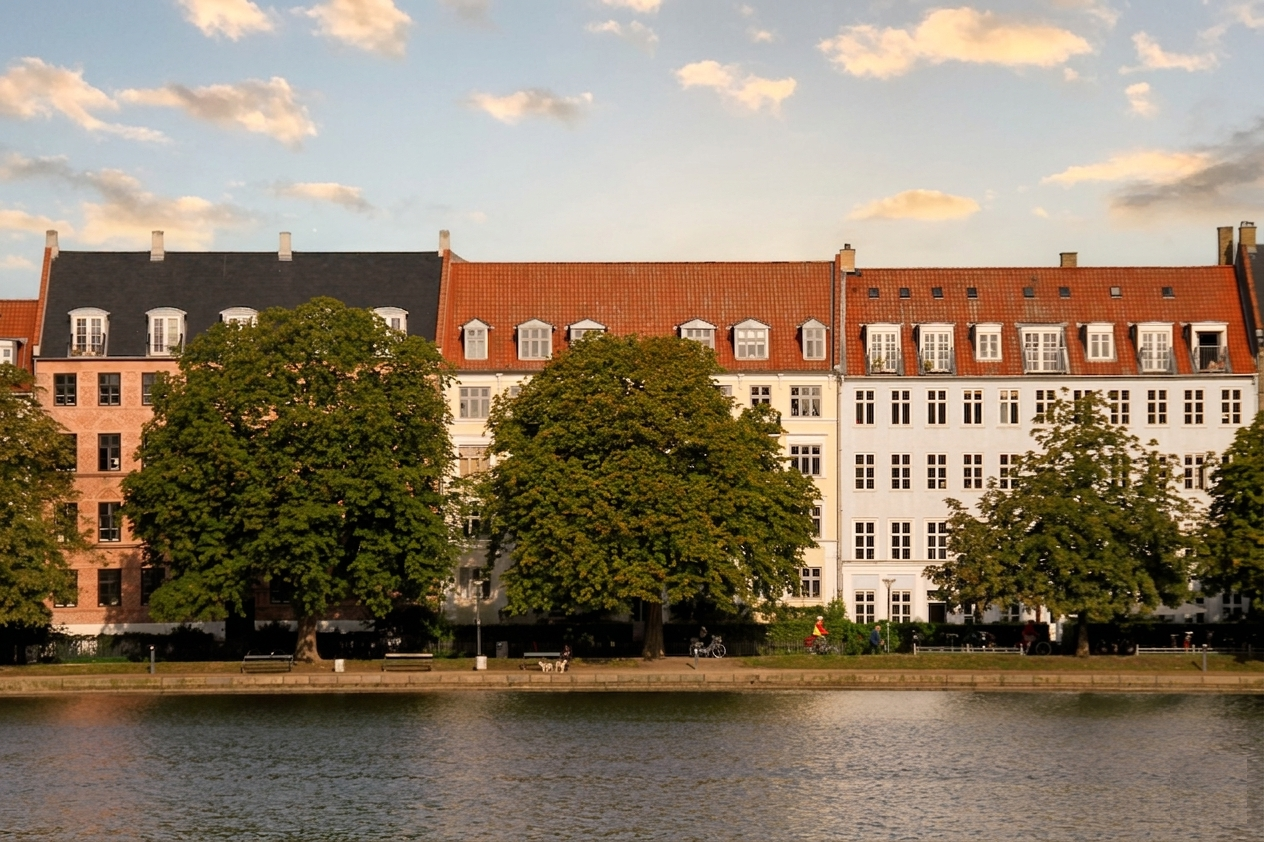
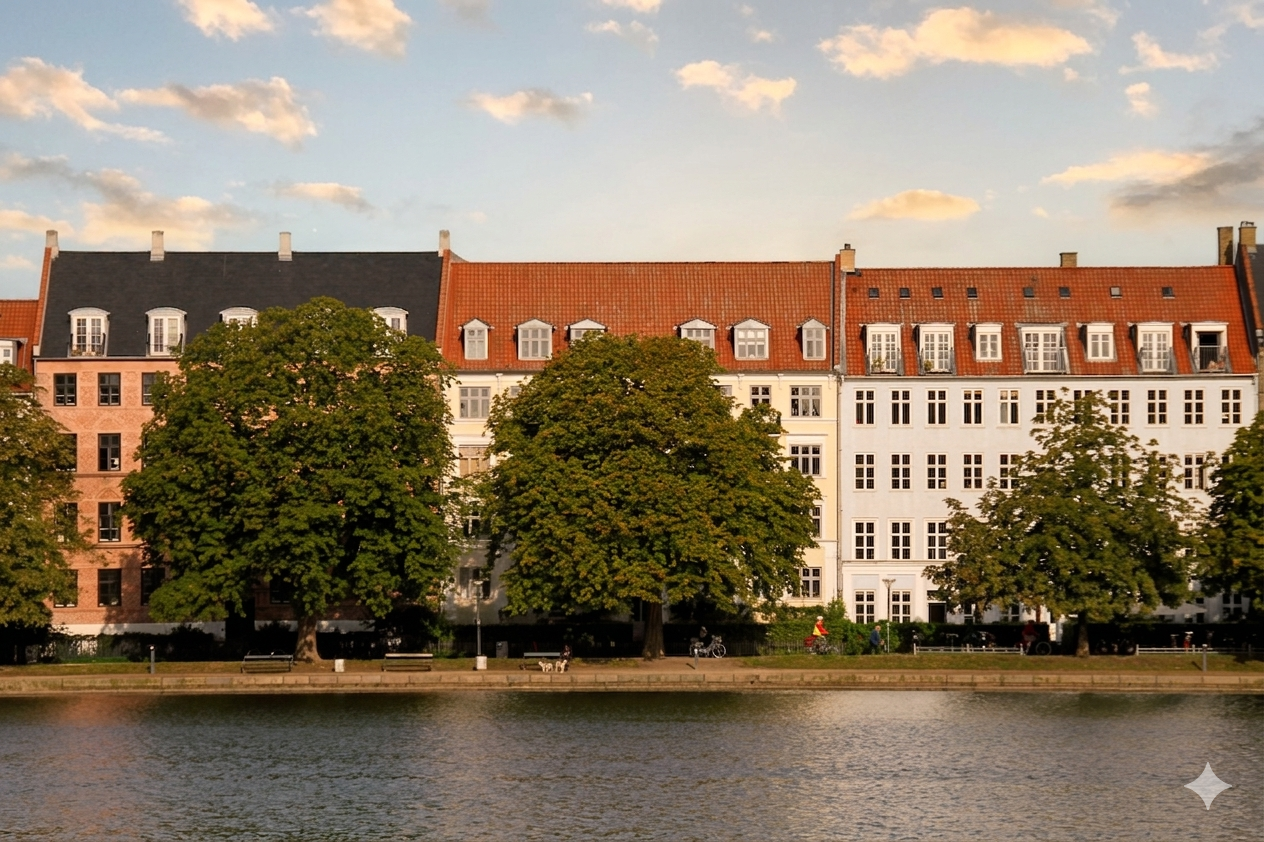
Copenhagen in early September
Average temperature in early September: 15–19°C — light jacket weather.
The venue
Scandic Copenhagen
Vester Søgade 6
1601 Copenhagen
Phone: +45 3314 3535
FIND BOOKING CODE HERE
Scandic Copenhagen sits directly by the lakes (Søerne), 10 minutes from Copenhagen Central Station and within walking distance of Nyhavn, Tivoli, the Botanical Garden, and the Round Tower. Most of the city's main sights are reachable on foot or by a short metro ride.
Thursday and Friday
The workshop runs Thursday and Friday, leaving the weekend free to explore the city.
Whether you arrive a day early or stay through Saturday and Sunday, you'll find Copenhagen at its best.
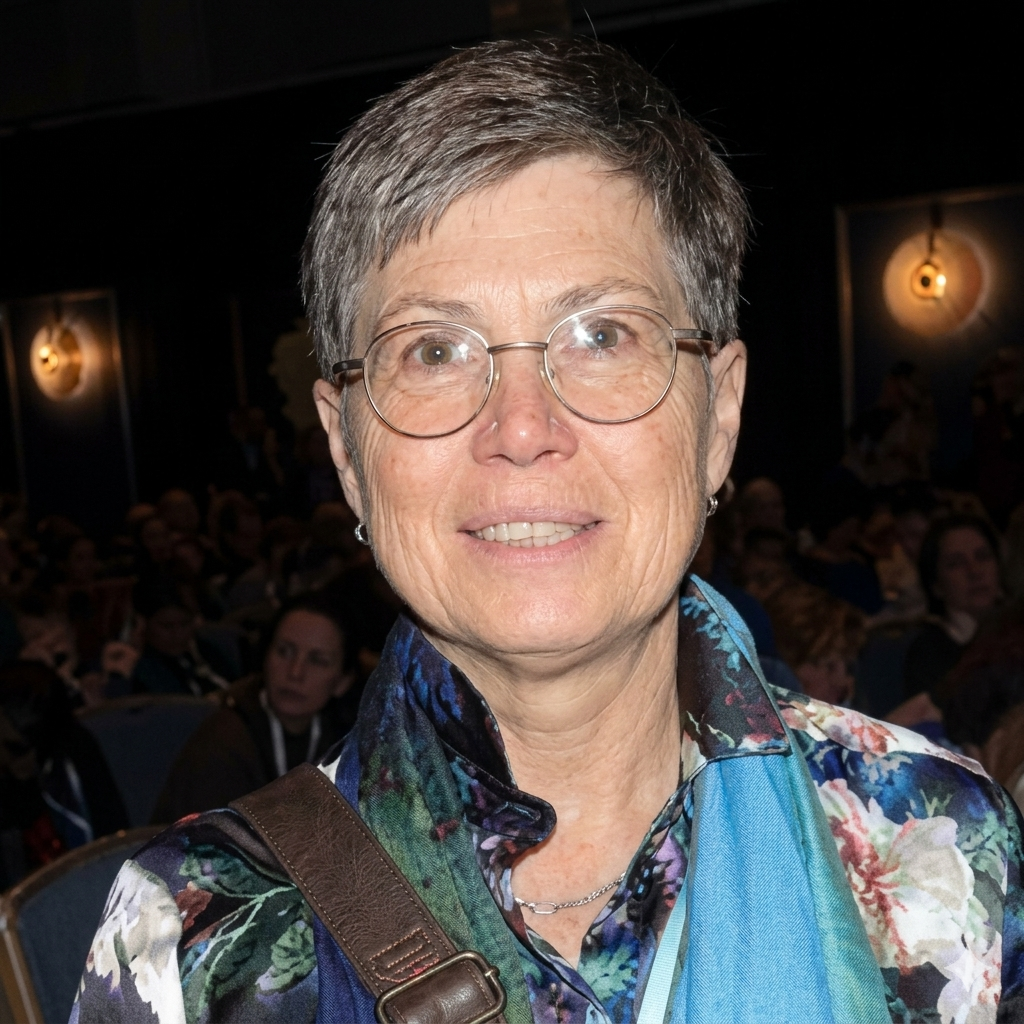
Dr. Anita McAllister, Karolinska Institutet, Stockholm
Co-host: Dr. Anita McAllister
Dr. Anita McAllister is an internationally recognized expert in pediatric speech motor function, voice disorders, and speech sound development. She qualified as a Speech-Language Pathologist at Karolinska Institutet in 1985 and defended her doctoral thesis on ten-year-old children's voices at Karolinska Institutet in 1997. She teaches and supervises doctoral candidates at the Division of Speech and Language Pathology, CLINTEC, Karolinska Institutet.
She has led research programmes on speech motor function and impairment, voice disorders in children, and the relationship between speech sound disorders and orofacial dysfunction, contributing to evidence-based assessment and intervention practices across the Nordic region and internationally. She has authored more than 60 peer-reviewed articles and book chapters with over 2,400 citations, spanning children's voice development, oral motor function, malocclusion in children with speech sound disorders, stuttering intervention, and interprofessional clinical training.
She is a co-author of the recent international consensus paper Reevaluating the Classification of Pediatric Speech Sound Disorders: A Ground Truthing Perspective (Namasivayam et al., 2025) — one of the foundational references for this workshop. From 2003 to 2013 she led the establishment of the Speech-Language Pathology programme at Linköping University. Earlier in her career she co-founded the Oral Motor Clinic at Danderyd Hospital, now the Oral Motor Center.

Day 1
Updating Foundational Knowledge
Speaking emerges from multiple interacting subsystems—respiration, phonation, articulation, and resonance—working together as coordinated movement patterns or synergies (Kelso, 1995; Namasivayam et al., 2020). Although synergy-based coordination is fundamental to speech, many university curricula provide limited instruction on what synergies are, how they develop, and why they matter for assessment and treatment. This gap is especially consequential for Speech Sound Disorders (SSDs), a broad category of sound production difficulties across children and adults.
Traditional SSD practice has been shaped by psycholinguistic theory and relies heavily on auditory-perceptual judgments and transcription. While essential, these methods can miss underlying speech motor development and control issues (Hardcastle & Morgan, 1982; Kent, 1996). Motor-based constraints—such as undifferentiated tongue gestures—may be transcribed as phonological substitutions, even when the root cause is limited articulatory coordination (Gibbon, 1999; Gibbon & Wood, 2002). Instrumental evidence from ultrasound and electropalatography highlights this mismatch, suggesting that many “phonological errors” reflect speech motor factors (Gibbon, 1999; Goozée et al., 2007).
This workshop bridges research and practice by defining speech synergies, demonstrating assessment insights via clinical video, and providing practical strategies to integrate synergy-informed targets into intervention. A synergy-based approach supports precision care by aligning treatment with underlying speech motor foundations.
Programme Day 1
Updating Foundational Knowledge
8:30Check-in and coffee
9:30Welcome and purpose
11:00Break
1:00Lunch break
2:00Assessments & Diagnosis: Clinical Identification of Subtypes
3:15Assessments & Diagnosis: Clinical Identification of Subtypes
Rewriting foundations: synergies and gestures
9:403:00Break
Speech Sound Disorder (SSD) Classification Systems – update
10:10SSD classification systems: potential issues
11:1512:00Sources of speech error; do we trust our ears or eyes?
Q & A Panel with Dr. Anita McAllister - Karolinska Institutet, Stockholm, Sweden: New Learning, Practice Change & Reflections
4:155:00Closing remarks
Conference dinner · Available as an add-on at registration
A three-course dinner with welcome drink and wine, hosted at the venue. The dinner brings together participants for an evening of conversation across countries and clinical traditions.
Add to your registration for DKK 1,250.
(Danish VAT of 25% is included in the prices shown.)
7:00 - OptionalDay 1 learning outcomes
Describe the historical nature and limitations of IPA transcription-based linguistic-phonological interpretation of speech sound errors in children
Describe recent instrumental evidence supporting speech motor basis for speech sound errors in children
Describe the development and assessment of speech motor synergies
List three ways to incorporate synergy-based assessment results into treatment

Optimizing Treatment Efficiency
Day Two
Day 2 of the workshop translates research into practical decisions about who to prioritize, what to target, and how to maximize change per session. Participants review predictors associated with persistent SSD and discuss how to use a factor matrix to support eligibility decisions and triage waitlists.
Next, the program examines predictors of outcomes at both child and intervention levels, with a strong focus on principles of motor learning. Clinicians explore ways to increase gains and generalization by optimizing dose scheduling, building target variability across vowels and word positions, and selecting an “optimal challenge” that supports learning rather than “perfect practice.”
The workshop also addresses when to progress beyond mastery criteria by using emergence, stimulability, and accuracy bands to guide task progression.
Finally, participants will evaluate efficiency-focused service delivery models, including evidence-informed group structures such as rapid establishment followed by variable, distributed practice with high production counts and peer feedback.
The workshop will also examine the role of parents, including potential advantages, limitations, and cost considerations.
Programme Day 2
Optimizing Treatment Efficiency
8:30Check-in and coffee
9:30Welcome and Day 1 Recap & Feedback
9:45Using Norms, Problems and Alternatives to using sound Norms
1:00Lunch break
3:30Break
Break
11:15Goal writing, goal tracking, optimal dose variables.
Optimizing rate of change/gains/generalization.
Risk factors & Predictors for Persistent Speech Sound Disorders
2:00Optimizing rate of change/gains/generalization. Risk factors & Predictors for Persistent Speech Sound Disorders.
3:45Q & A Panel with Dr. Anita McAllister - Karolinska Institutet, Stockholm, Sweden: New Learning, Practice Change & Reflections
4:155:00Final reflections and closing
Speech Sound Disorder Interventions – Synergy Perspective
10:30Speech Sound Disorder Interventions – Synergy Perspective
11:30Day 2 learning outcomes
Apply a risk/predictor framework and eligibility matrix to support triage and service prioritization for children with SSD
Select and adapt practice parameters (dose, variability, feedback, and challenge level) to promote retention, transfer, and generalization
Design an efficient service-delivery plan (individual vs group; parent supported) aligned with outcomes, feasibility, and scope
-
Namasivayam, A. K., Kent, R. D., Preston, J. L., Maassen, B. A. M., Hagedorn, C., Nip, I. S. B., McAllister, A., Wang, J., Hustad, K., Ménard, L., Bahar, N., Moore, J., Petrosov, J., & Van Lieshout, P. H. H. M. (2025, in press). Reevaluating the classification of pediatric speech sound disorders: A ground truthing perspective. Frontiers in Human Neuroscience, 19:1700505.
Namasivayam, A. K., Li-Han, L. Y., Moore, J., Wong, W., & Van Lieshout, P. H. H. M. (2025). The articulatory basis of phonological error patterns in childhood speech sound disorders. Frontiers in Human Neuroscience, 19:1635096.
Namasivayam, A. K., Coleman, D., O’Dwyer, A., & Van Lieshout, P. (2020). Speech sound disorders in children: An articulatory phonology perspective. Frontiers in Psychology, 10:2998.
Namasivayam, A. K., Huynh, A., Bali, R., Granata, F., Law, V., Rampersaud, D., Hard, J., Ward, R., Helms-Park, R., Van Lieshout, P. H. H. M., & Hayden, D. (2021). Development and validation of a probe word list to assess speech motor skills in children. American Journal of Speech-Language Pathology, 30, 622–648.
Waring, R., & Knight, R. (2013). How should children with speech sound disorders be classified? A review and critical evaluation of current classification systems. International Journal of Language & Communication Disorders, 48(1), 25–40.
Reserve your seat here:
Tickets include both days of the workshop, lunches, all coffee breaks, and a certificate of attendance.
Note for international participants
Please note that since the workshop takes place physically in Denmark, Danish VAT (25%) applies to all tickets, including for participants from outside Denmark with a valid EU VAT number.
Companies registered in the EU can apply for a VAT refund through their local tax authorities after the event.
PRACTICAL INFORMATION
Language
The workshop is conducted in English throughout.
Registration deadline
18 August 2026.
Two full days of workshop programme. Lunches both days. All coffee and refreshment breaks. Certificate of attendance from Forlaget Spor.
Optional conference dinner (Thursday evening) and accommodation are not included.
What’s included
Scandic Copenhagen, Vester Søgade 6, 1601 Copenhagen V — located by the lakes, 10 minutes' walk from Copenhagen Central Station. The hotel offers 486 rooms for participants who wish to stay on site.
Venue
Scandic Copenhagen offers a booking code for participants:
Booking code: BSPO020926
Valid for stays: 2-4 September 2026
Booking deadline: 2 August 2026 (30 days before arrival)
Free cancellation until: 2 August 2026 (30 days before arrival)
Need different dates? If you want to extend your stay before or after the workshop, simply book without the code and email copenhagen@scandichotels.com to request the same room across all your nights.
Alternatively, the venue is centrally located and surrounded by hotels at all price points.
Accommodation
Copenhagen is well-connected by direct flights from most European capitals and by train from Sweden, Germany, and Norway. Participants from outside Schengen are responsible for their own visa arrangements; we are happy to provide a letter of invitation upon request.
Travel and visa

Your Questions, Answered
-
Practising speech-language therapists, researchers, and senior clinicians working with pediatric speech sound disorders. The content assumes a working clinical foundation — it is not an introductory course.
-
Yes. How we handle it depends on your institution:
For private clinics, companies, and most international institutions:
You can buy directly through the booking widget on this page. After purchase you'll receive a detailed order confirmation that includes your organisation's name, VAT/CVR number, and the VAT amount. This is sufficient documentation for most accounting purposes. To include your company details, fill in the relevant fields at checkout.
For Danish public institutions (PPR, kommune, region, hospital, etc.):
We send a separate EAN invoice for institutional payment. Please contact us at info@forlagetspor.dk before booking with:
- Institution name and EAN number
- Reference person and email
- Number of participants and ticket type
- A purchase order number if required
We issue an EAN invoice with 30-day payment terms. Tickets are reserved upon booking request and confirmed when payment is received.
Note on VAT: The workshop takes place in Denmark, so Danish VAT (25%) applies to all tickets regardless of buyer location, in line with EU VAT rules for in-person events (Article 53 of the EU VAT Directive). VAT-registered EU businesses outside Denmark may reclaim the Danish VAT through the EU VAT Refund procedure in their home country.
-
Tickets are non-refundable but transferable. If you cannot attend, you may pass your ticket on to a colleague at no additional cost.
To transfer your ticket, contact us at info@forlagetspor.dk at least 7 days before the event with the new attendee's full name, professional title, and any dietary requirements or allergies.
-
In the event of force majeure (illness of speakers, government restrictions, natural disasters, or similar circumstances beyond our control), Forlaget SPOR will offer either a refund of the ticket price or a transfer to a rescheduled event.
We cannot be held liable for travel, accommodation, or other costs you may have incurred.
-
No. The workshop is delivered live, in person, and is not recorded. The materials Aravind shares during the workshop will be made available to registered participants in PDF form.
-
Yes. Each day closes with a 45-minute Q&A panel discussion with Dr. Namasivayam and Dr. McAllister. Audience questions are welcomed throughout.

“The goal of the workshop presentation is to initiate a collaborative discussion among the stakeholders and stimulate a paradigm shift in clinical thinking regarding speech sound disorder diagnosis and intervention in children.”
— Dr. Aravind Namasivayam
If you work with pediatric speech sound disorders:
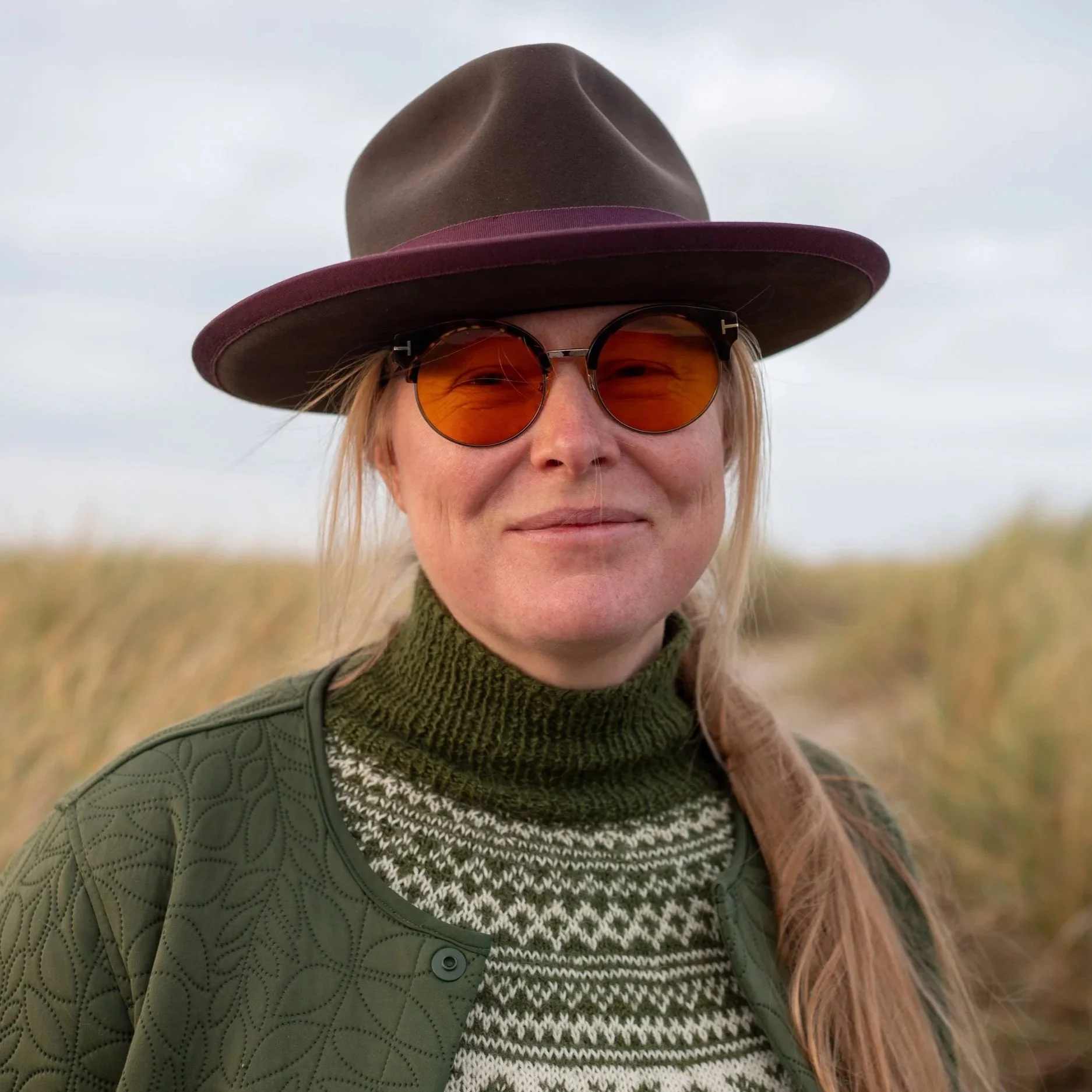
About the organizer
Forlaget SPOR | SPOR Publishing was founded by Lea Dettmann, speech-language therapist and publisher specializing in children’s speech and communication.
SPOR publishes books and hosts events that bring evidence-based clinical practice to a Nordic and international audience.